 Viewvelqor
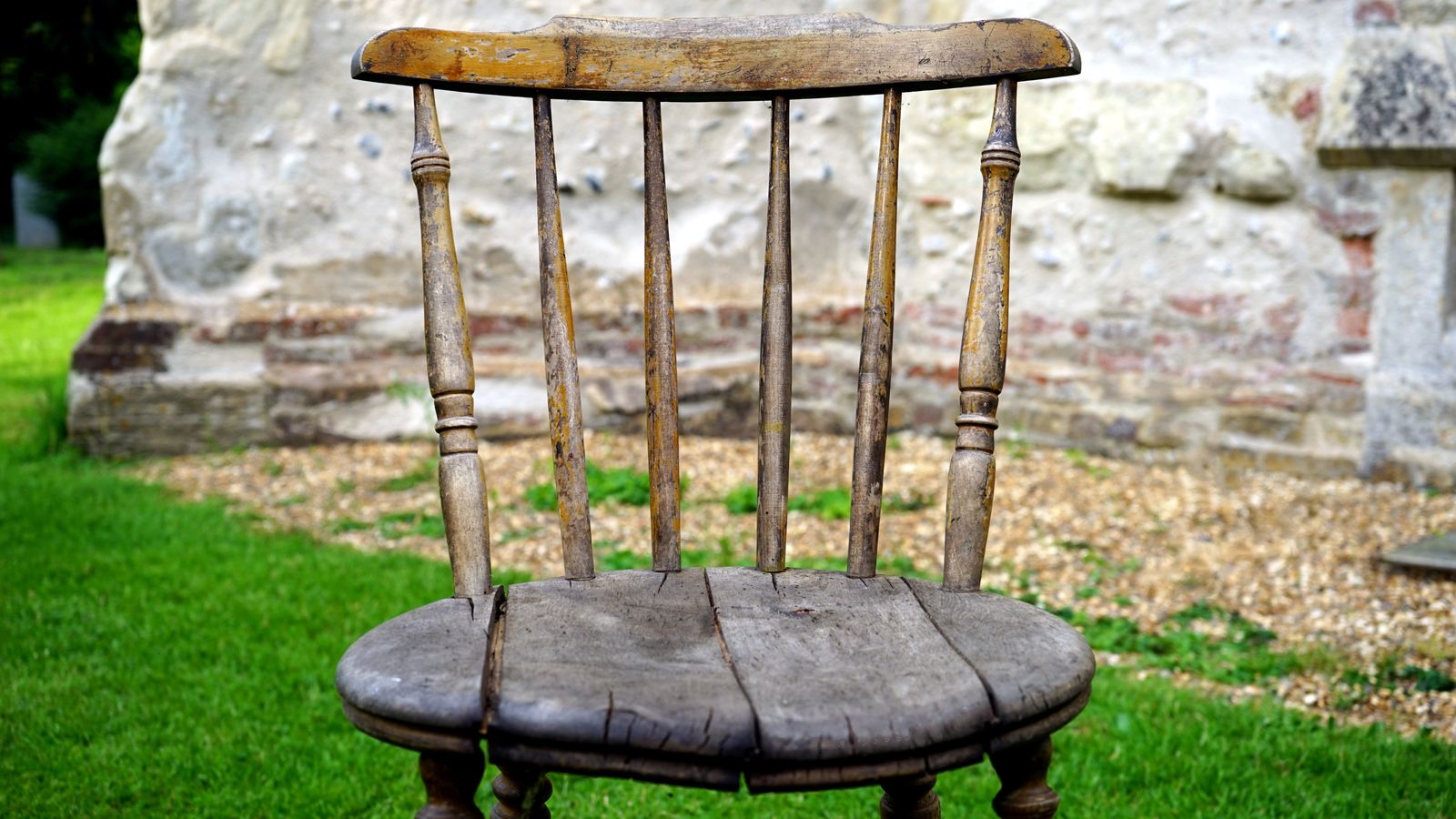
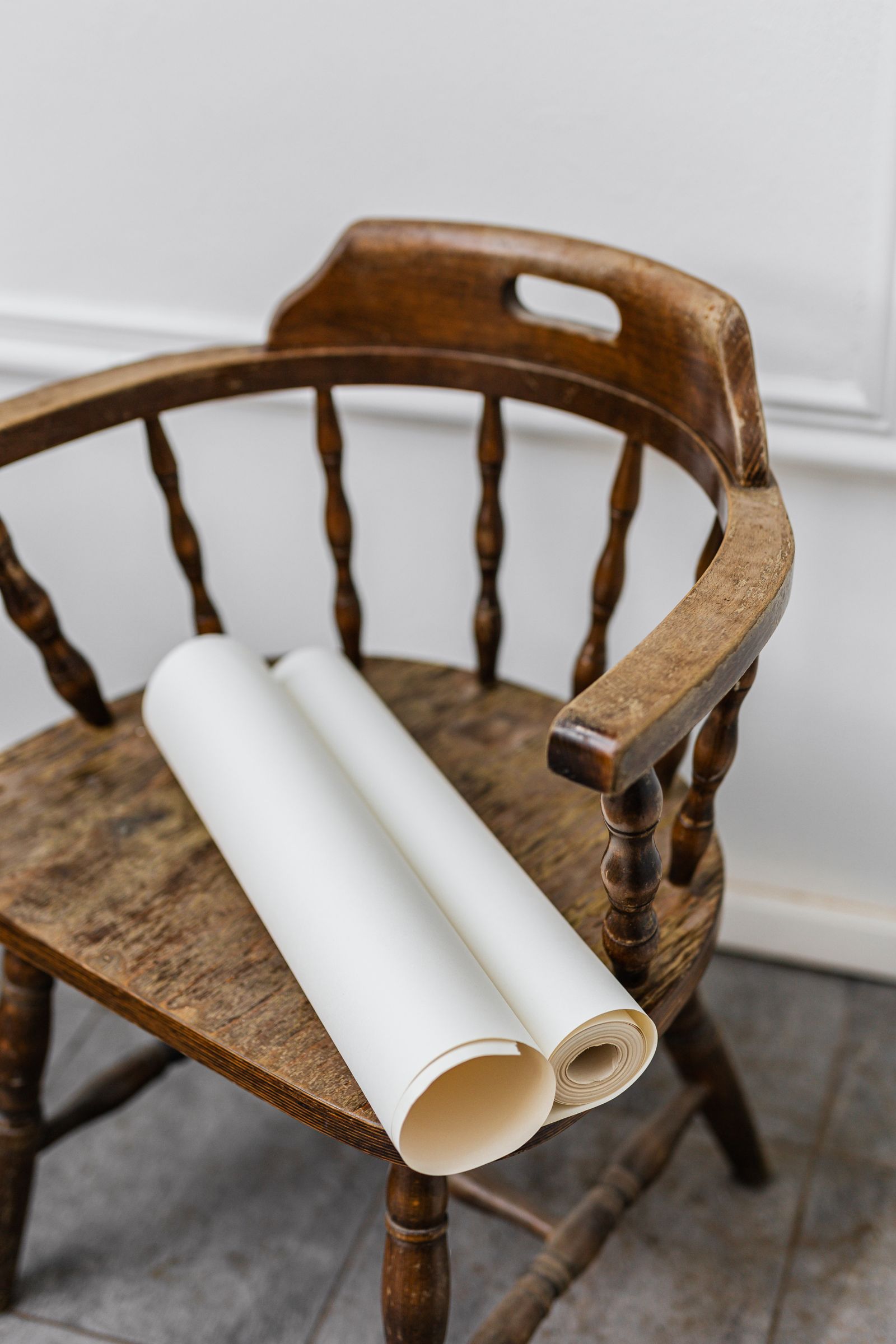
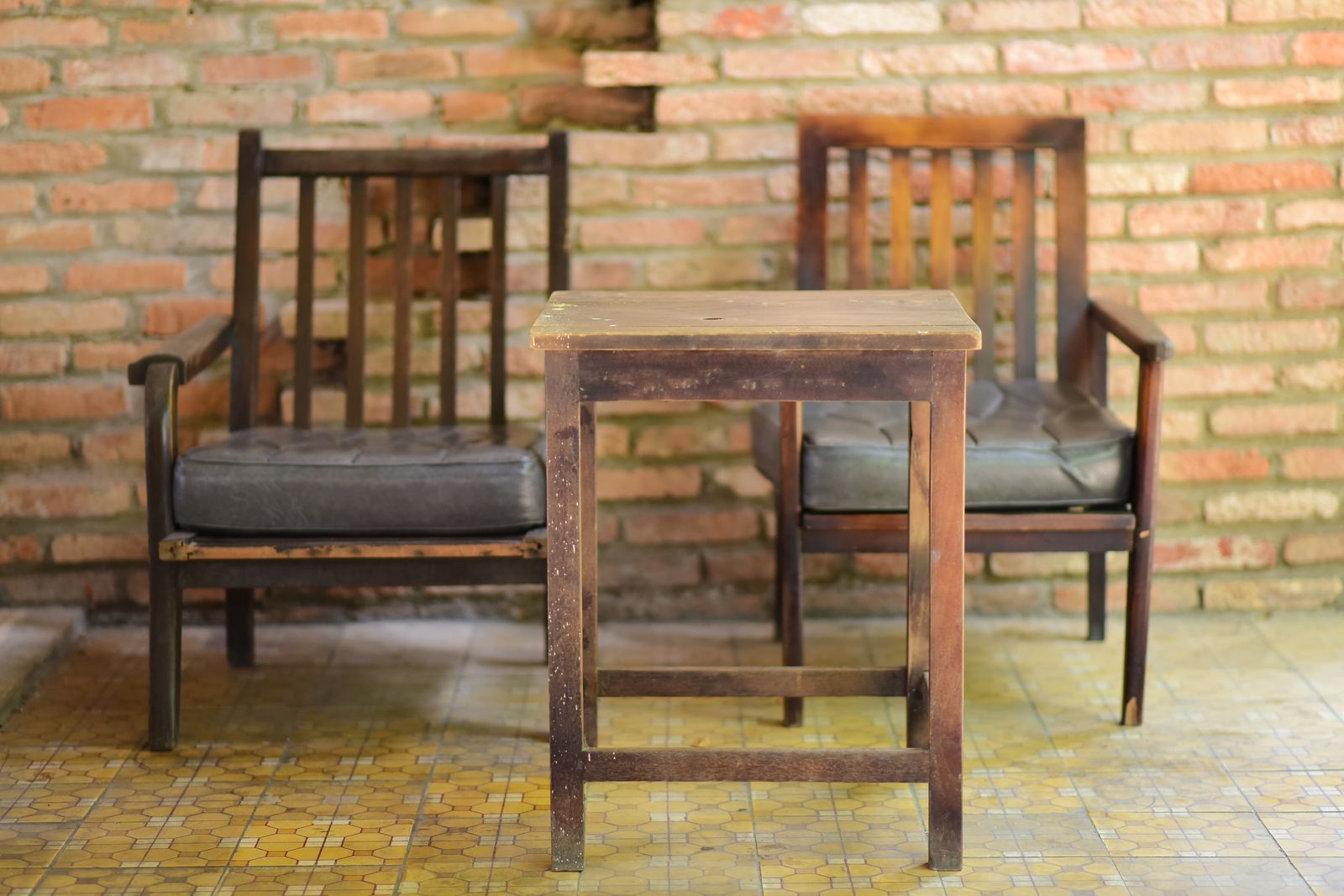
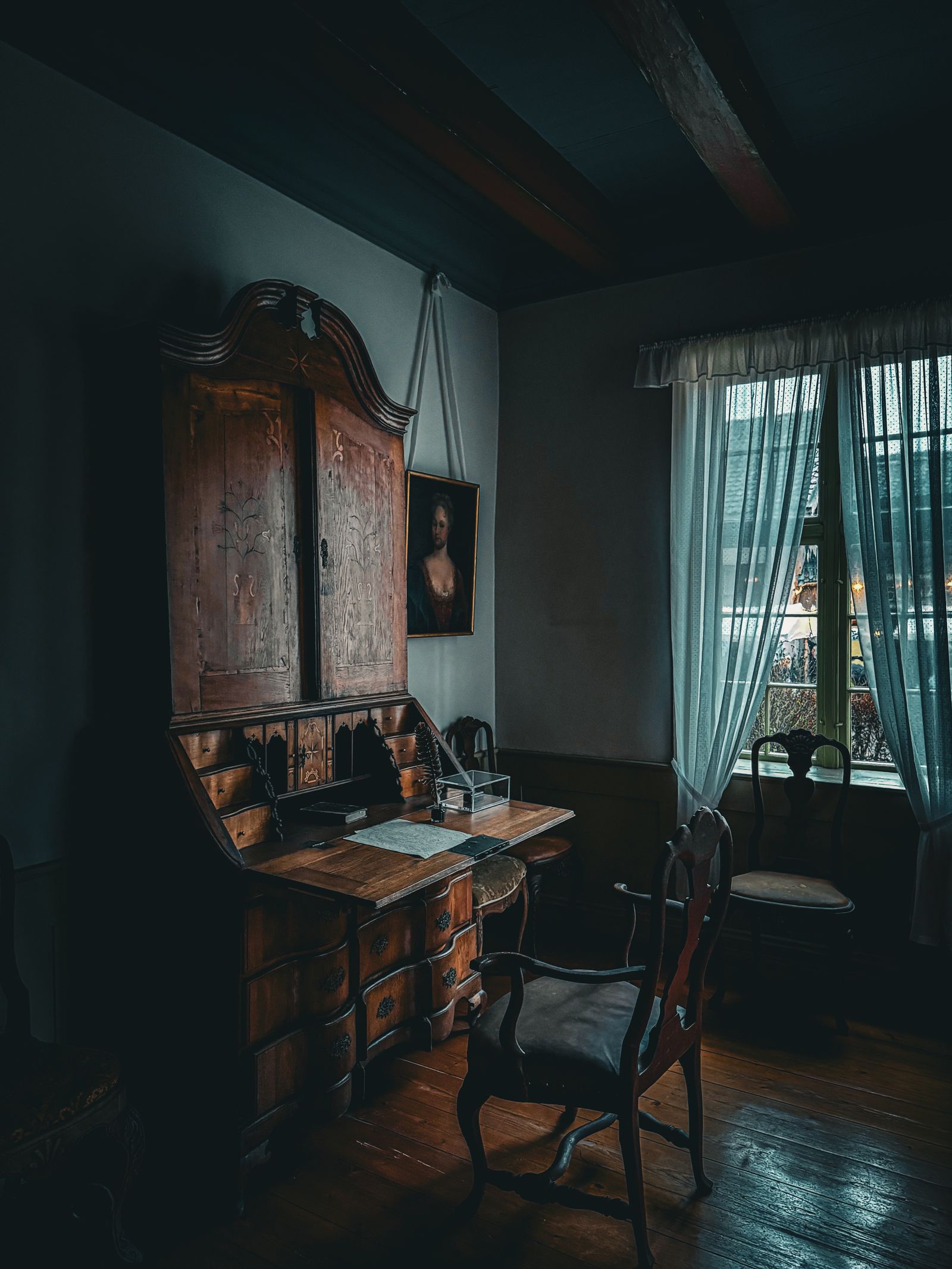
Old wooden furniture carries stories within its grain, weathered surfaces, and classic joinery. Decades of shifting humidity and daily use take a heavy toll on antique chairs, tables, and cabinets. Joints loosen up, hair-thin cracks expand across tabletops, and legs begin to wobble with every touch. Restoring these pieces requires patience and a gentle touch that respects the original craftsmanship.
Rushing through a furniture repair often leads to irreversible damage. Modern synthetic glues or aggressive metal fasteners can ruin the historical value and structural harmony of a treasured heirloom. Taking the time to understand traditional construction methods ensures that your intervention remains faithful to the maker's original intent.
Assessing Damage Before Picking Up Tools
Begin every restoration project with a thorough inspection of the piece. Gently wiggle each leg and frame member to locate every failing joint instead of focusing only on the obvious wobbles. Hidden stress points often harbor micro-cracks that will fail shortly after you fix the main problem.
Check the surface finish around the damaged areas for flaking or old wax buildup. Cleaning the surrounding wood gently with mineral spirits reveals the true extent of any splits. Knowing what lies beneath the grime prevents nasty surprises once the clamps come out.
Disassembling and Cleaning Old Joints
Taking apart a loose joint requires care and restraint. Tap wooden components gently with a rubber mallet, working along the grain to avoid snapping brittle tenons. Never force a tight joint apart with metal pry bars because antique wood splinters very easily.
Scrape away all the crystallized old glue using a small chisel or a sharpened screwdriver. Fresh adhesive cannot bond to decayed animal glue or modern residues. Clean timber surfaces ensure a permanent mechanical grip once the new adhesive cures.
Selecting the Right Adhesive
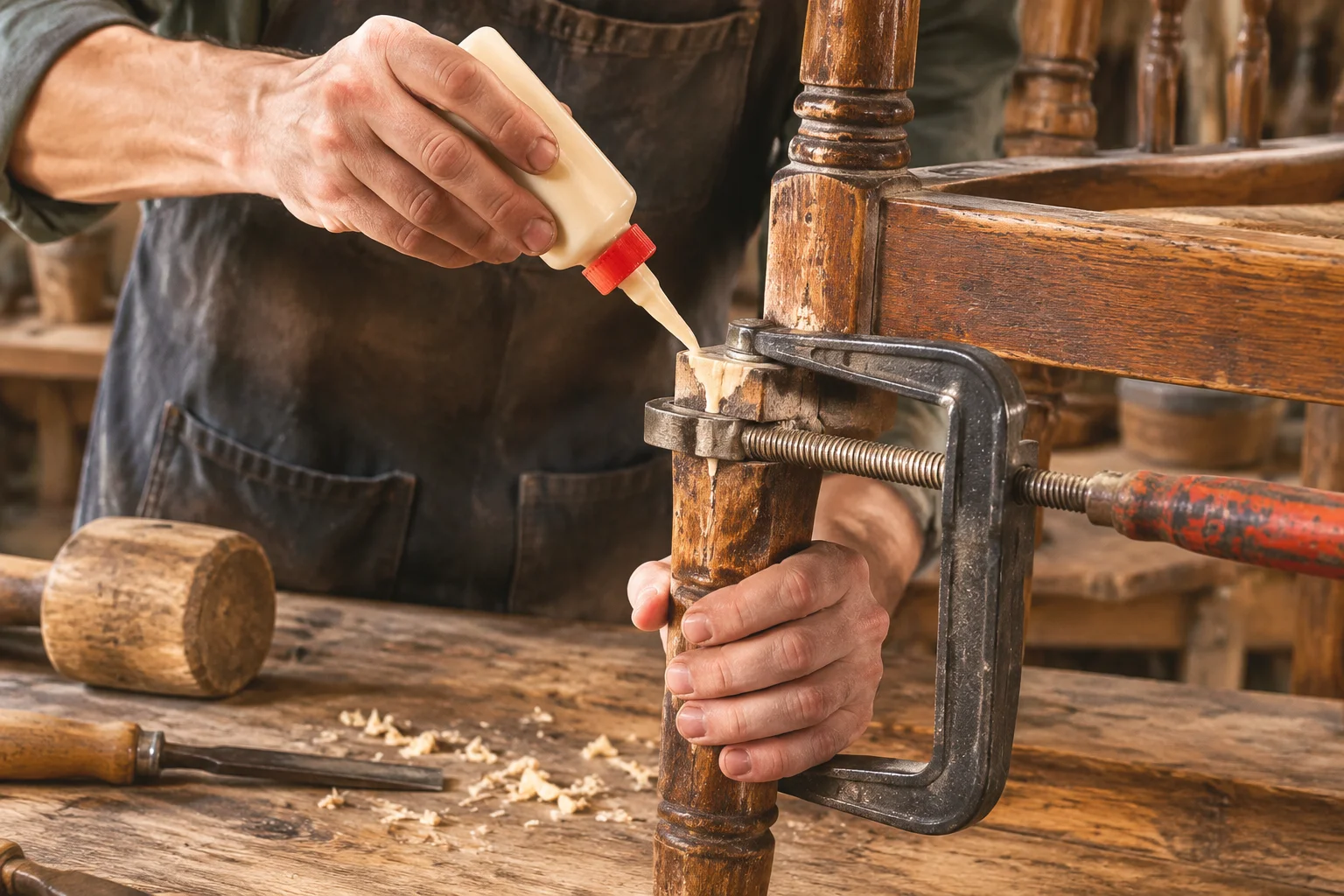
Choosing the correct bonding agent defines the success of any furniture restoration. Traditional liquid hide glue remains the gold standard for antiques because it dissolves in warm water and stays reversible. Modern polyvinyl acetate glues work well for high-stress joints on utilitarian pieces, but they lack the historical authenticity required for museum-grade heirlooms.
- Traditional hide glue allows future repairs without wood damage.
- PVA wood glue provides strong bonds for modern repairs.
- Epoxy fills large gaps where wood has rotted away.
- Polyurethane expands slightly as it cures inside loose mortises.
- Fish glue offers a longer open time for complex assemblies.
- Contact cement suits decorative veneer work rather than structural joints.
Clamping Without Crushing the Wood
Applying pressure correctly holds the glued joints together while the adhesive sets. Wrap jaws of your clamps with thick felt or place small blocks of scrap pine between the metal and the furniture. Tighten the screws gradually, alternating between sides to keep the frame square and true.
Wipe away any glue squeeze-out immediately using a damp cloth. Dried glue droplets mar the surrounding patina and resist finishing oils later. Leave the clamps in place for at least twenty-four hours to let the bond reach maximum strength.
Stabilizing Cracks in Solid Wood
Splits across tabletops and cabinet sides demand careful stabilization rather than heavy-handed filling. Inject a small amount of thin adhesive deep into the crack using a syringe. Press the edges together firmly until the gap closes completely under uniform clamp pressure.
Sand a hidden area of the same wood species to collect fine dust. Mix this sawdust with a few drops of clear adhesive to create a custom filler that matches the surrounding grain. Press the paste into any remaining surface cavities and scrape the top flat with a razor blade.
Preserving antique furniture connects modern workshops with centuries of woodworking heritage. Every restored chair and stabilized table stands as a testament to thoughtful conservation. By combining traditional glues, careful clamping, and respect for original materials, you keep history alive inside your home.



Marie Laurent
Master RestorerSophie Bernard
Wood SpecialistLuc Bernard
Joinery ExpertAntoine Leroy
Adhesive Consultant